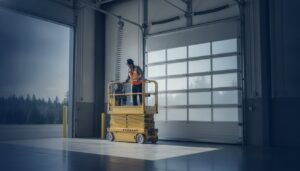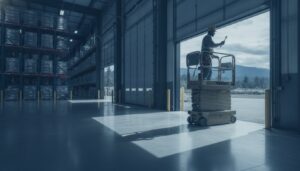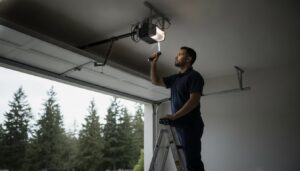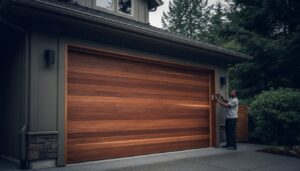
A logistics manager in Seattle arrives at dawn to find a jammed roll-up door, effectively freezing thousands of dollars in outgoing shipments while the facility’s heat escapes through the gap. You understand that a malfunctioning entry point isn’t just a minor inconvenience; it’s a costly bottleneck that compromises your security and stalls your entire operation. Prompt warehouse door repair is essential to keep your workflow moving and your overhead costs under control.
In this article, you’ll discover how to resolve door failures quickly, maintain strict facility security, and choose a repair partner in Washington that prioritizes long-term durability. We’ll examine the critical steps for restoring access, staying compliant with the 2021 Washington State Building Code, and implementing maintenance strategies that prevent future downtime. By focusing on technical precision and dependable service, you can ensure your warehouse remains a safe, efficient environment for your team and your cargo.
Key Takeaways
- Understand how malfunctioning doors act as a bottleneck in your supply chain and learn strategies to minimize operational downtime.
- Identify the mechanical differences between sectional and roll-up systems to ensure you receive the correct warehouse door repair solution for your facility.
- Discover the specific physics behind industrial torsion spring failures and why heavy-duty components require specialized professional handling.
- Learn how Washington’s diverse regional climates affect door seals and structural integrity, impacting both your energy bills and security.
- Gain insights into selecting an industrial repair partner that balances 24/7 emergency availability with cost-effective, long-term durability.
The Critical Impact of Malfunctioning Warehouse Doors on Operations
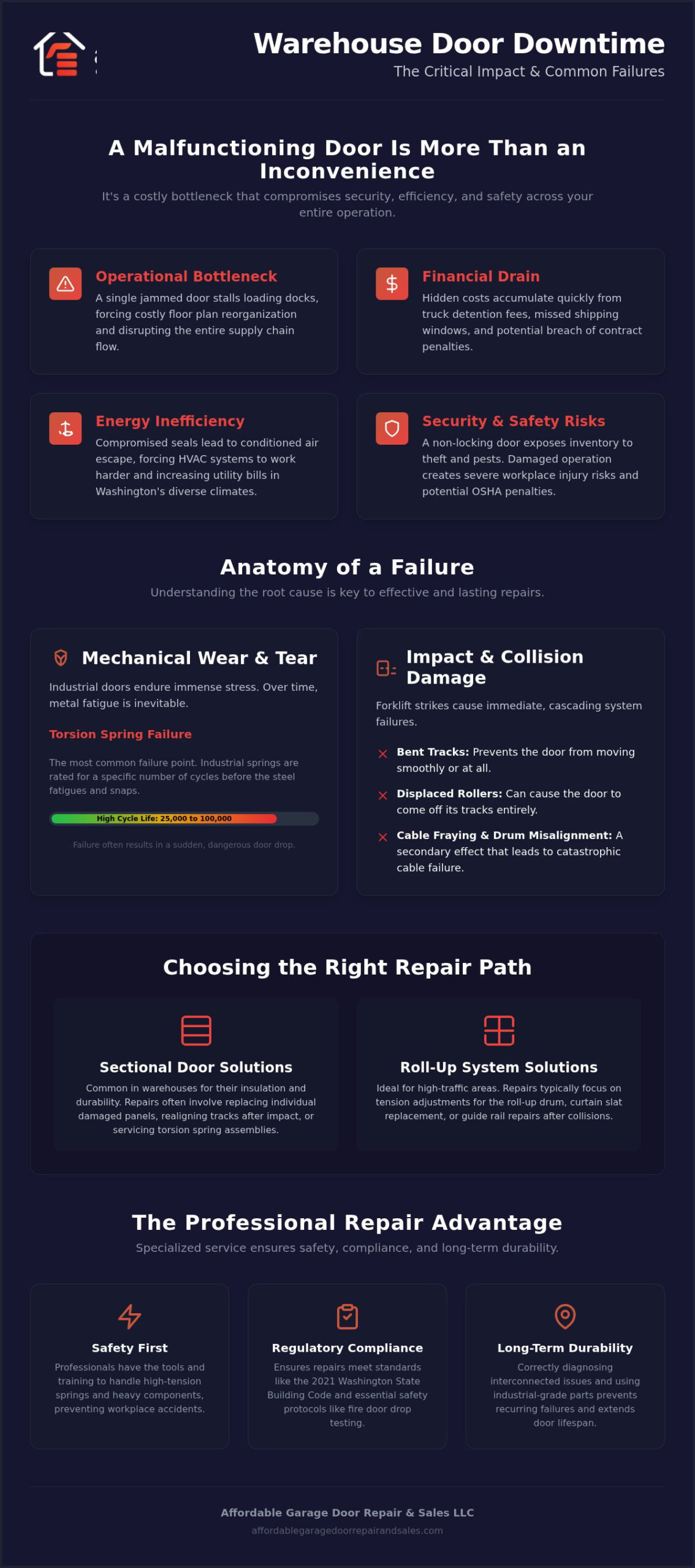
Warehouse doors serve as the primary artery of your facility’s supply chain logistics. They facilitate the constant movement of goods, equipment, and personnel. When a single door malfunctions, it creates an immediate bottleneck at your loading docks, stalling the flow of inventory. This disruption doesn’t just stop one lane; it often forces a reorganization of your entire floor plan as workers struggle to route shipments through alternative exits. Efficiency relies on every entry point functioning at peak performance.
The financial consequences of delayed warehouse door repair extend far beyond the initial service call. Hidden costs like detention fees quickly accumulate when truck drivers are forced to wait for a functional bay. If your team misses a shipping window because of a jammed door, the result can be a breach of contract or lost future business. These operational delays represent a significant drain on your bottom line that is often more expensive than the repair itself. Prompt action is the most cost-effective strategy.
In Washington, energy efficiency is another major factor. Facility managers in Everett deal with persistent moisture, while those in Yakima face intense summer heat. Compromised door seals or panels that don’t close flush allow conditioned air to escape. This forces your HVAC systems to work harder, leading to higher energy bills and increased wear on your building’s infrastructure. Maintaining a tight seal is a practical necessity for long-term cost control and environmental stability.
Security Risks and Facility Integrity
A door that’s stuck open or fails to lock properly creates an immediate security vulnerability. It leaves your valuable inventory exposed to theft and unauthorized access during off-hours. Additionally, damaged industrial door sections provide an entry point for pests and vermin, which can contaminate products and lead to health code violations. Professional warehouse door repair restores your facility’s perimeter, protecting your assets from both human intruders and Washington’s unpredictable weather patterns. A high-quality Roller shutter or sectional door is only as good as its last inspection.
Safety and Compliance Bottlenecks
Safety is a non-negotiable aspect of warehouse management. Operating an off-track or damaged commercial door presents a severe risk of workplace injury and can lead to significant OSHA penalties. Beyond daily operation, regulatory compliance requires specific maintenance for specialized equipment. For example, fire door drop testing is essential to ensure these barriers function correctly during an emergency. Proactive mechanical inspections help identify frayed cables or worn rollers before they fail, keeping your facility compliant and your employees safe from avoidable accidents. Precision matters in every component.
Common Warehouse Door Failures: From Broken Springs to Collision Damage
Industrial torsion springs are the mechanical heavy-lifters of any facility. Unlike residential versions, these are high-cycle components designed specifically for heavy-duty use, often rated to handle tens of thousands of cycles. The physics of industrial door failure is rooted in metal fatigue. Every time a door opens, the spring coils under immense tension. Over years of constant operation, the steel reaches its elastic limit and snaps. This failure typically occurs when the door is under the most stress, which can lead to a sudden and dangerous door drop if safety systems aren’t maintained.
While mechanical wear is inevitable, forklift impacts cause the most immediate and visible structural damage. A strike from a piece of heavy machinery doesn’t just dent a panel; it often bends the vertical tracks, displaces rollers, and compromises the bottom sections. This misalignment puts uneven pressure on the entire system. In high-traffic facilities, cable fraying and drum misalignment often follow these impacts. Even a small amount of cable wear can lead to a catastrophic failure, as the frayed steel strands eventually catch on the drum or snap under the weight of the door. Precision in warehouse door repair is necessary to address these interconnected issues.
Industrial-Grade Spring and Cable Failures
There’s a significant difference between residential and commercial-grade torsion springs. Most industrial doors require springs rated for 25,000 to 100,000 cycles to withstand the rigors of a busy loading dock. Signs of metal fatigue include visible gaps in the spring coils or a door that feels unusually heavy when operated manually. Performing a broken garage door spring repair at this scale requires specialized commercial tools and high-tension winding bars. It’s a task that demands technical expertise to ensure the door is balanced correctly for long-term durability.
Collision Damage and Track Misalignment
Assessing vertical track integrity is the first step after a forklift or vehicle strike. Even if the door still moves, a bent track can cause the rollers to bind, leading to a total system jam. You should never attempt to force a door that has come off-track. Doing so can cause the cables to jump the drums, creating a high-tension hazard. Beyond the mechanical risks, OSHA safety regulations require that vertically operated doors be secured to prevent accidental closing. Distinguishing between structural damage to the hinges and cosmetic damage to the panels is vital for maintaining facility security. If your system shows signs of misalignment, consulting with professional commercial door technicians can prevent a minor collision from turning into a costly operational shutdown.
Choosing the Right Repair Path: Sectional vs. Roll-Up Door Solutions
Deciding on the best course of action for your facility depends largely on the specific architecture of your entrance. Sectional overhead doors consist of several horizontal panels that slide along tracks, resting parallel to the ceiling when open. In contrast, rolling steel doors consist of many interlocking slats that coil around a drum. Both systems require a different approach to warehouse door repair. Technical standards for these systems are often guided by the Door & Access Systems Manufacturers Association, which provides the framework for safety and performance ratings. Understanding these differences helps you determine if a simple component fix will suffice or if a system-wide overhaul is necessary.
Longevity is a primary concern for any facility manager. If your door has sustained localized damage to a single section, replacing that individual panel is often the most cost-effective path. However, when the door’s structural integrity is compromised or the mechanical components are nearing the end of their rated cycle life, a full replacement often yields a better ROI. Upgrading to impact-resistant models is particularly beneficial in high-traffic Washington hubs where loading dock collisions are frequent. These specialized doors are designed to “break away” upon impact, allowing for immediate resetting without the need for extensive structural work.
Sectional Door Panel and Roller Maintenance
Sectional doors offer the advantage of modularity. If a forklift strike damages the bottom section, you don’t need to replace the entire unit to restore functionality. During this process, it’s also vital to inspect the rollers. Heavy-duty steel or nylon rollers reduce the strain on your door’s motor, extending its operational life. Additionally, maintaining the insulation values of these panels is essential for temperature-controlled environments, ensuring your facility remains energy efficient after the warehouse door repair is complete. Precision in roller alignment prevents future track wear and ensures smooth, quiet operation.
High-Speed and Rolling Steel Door Repairs
High-speed doors are engineered for high-cycle environments where speed is a priority. These systems rely on complex sensors and advanced motor operators to function. Troubleshooting these units requires specialized training because a sensor misalignment can halt operations just as effectively as a mechanical failure. For rolling steel doors, repairing the “curtain” involves addressing the interlocking slats. Balancing the need for speed with safety at your entrance and exit points ensures that your workflow remains fluid while keeping your personnel protected from mechanical malfunctions. Regular sensor calibration is a key part of this maintenance cycle.
Emergency Warehouse Door Repair in Washington: What to Expect
Warehouse operations in major Washington hubs like Seattle and Spokane operate around the clock. Logistics schedules don’t pause for mechanical failures; a door that won’t close at 2:00 AM is just as critical as one that jams during the morning rush. Prompt warehouse door repair becomes a necessity when your facility’s security or shipping timeline is at stake. Because Washington’s climate varies significantly between regions, the cause of these emergencies often depends on your location. With a main office in Everett and dedicated teams serving Seattle, Spokane, and Yakima, a local partner provides faster response times and regional expertise that national contractors often lack.
In coastal cities like Everett and Seattle, persistent moisture and salt air can accelerate corrosion on tracks and rollers. This leads to friction-related failures that can burn out motors or snap cables. In contrast, the intense summer heat and dust in Yakima and the Tri-Cities can cause weather seals to become brittle and electronic sensors to malfunction. Hiring a service provider with regional coverage ensures that the technicians arriving at your site understand these environmental factors and carry the specific parts needed for your local climate. This localized knowledge minimizes guesswork and gets your bay doors operational again without delay.
24/7 Response and Safety Inspections
A true “warehouse door emergency” is defined by any failure that compromises facility security or halts essential operations. If a door is stuck in the open position after hours, your inventory is vulnerable to theft and the elements. Professional commercial garage door repair services prioritize these high-stakes situations to restore your facility’s integrity immediately. During every emergency call, a comprehensive 25-point safety inspection is performed. This systematic check examines everything from cable tension to the structural stability of the tracks. This ensures that the immediate fix doesn’t overlook a secondary issue that could cause another failure next week. Safety is built into every step of the process.
Preparing Your Facility for a Service Call
Facility managers can take several steps to expedite the repair process before the technician arrives. First, ensure the loading dock area is cleared of any forklifts, pallets, or debris. Technicians need ample space to position ladders and specialized winding tools for torsion springs. You should also document the events leading up to the failure. If a collision occurred, take photos for insurance or internal safety reports. Finally, ensure that your facility’s power is accessible and that lockout/tagout procedures are ready to be implemented. Being prepared allows the repair team to focus entirely on the mechanical restoration. If you’re facing a critical failure now, you can request emergency service today to secure your facility and resume your operations.
Professional Commercial Door Services: The Affordable Advantage
Choosing a partner for warehouse door repair shouldn’t feel like a choice between high-cost corporations and inexperienced generalists. We combine industrial-strength expertise with the personalized service of a local Washington business. Our technicians provide specialized support across the state, including:
- Everett and Seattle: Managing moisture-related corrosion and high-traffic logistics hubs in the Puget Sound.
- Spokane and Pasco: Addressing dust accumulation and temperature-driven mechanical stress in Eastern Washington.
- Yakima: Servicing agricultural and specialized cold-storage facility doors.
This regional presence allows us to offer free on-site estimates for commercial projects, ensuring you receive a clear, documented plan before any work starts. Modern facilities often require more than just standard steel slats. We handle specialty finishes and high-impact glass door repairs for showrooms or specialized retail warehouses. These systems require a delicate balance of aesthetic appeal and mechanical durability. Our team is equipped to manage these unique architectural requirements, ensuring your facility’s primary entry points are as functional as they are professional.
Specialized Expertise for Washington Facilities
Our technicians undergo rigorous training to master both residential mechanisms and heavy-duty industrial systems. This versatility is crucial when managing large-scale warehouse expansions that require a new garage door installation Washington businesses can rely on for decades. We specialize in custom door sizes and unique architectural specifications that standard installers often avoid. Whether you’re retrofitting an older structure or outfitting a modern distribution center, we provide the technical precision needed for a seamless fit and lasting performance.
Long-Term Reliability and Maintenance Plans
The most cost-effective warehouse door repair is the one you never have to make. Our preventative maintenance programs identify minor alignment issues or spring fatigue before they escalate into operational emergencies. For managers looking to enhance security and streamline facility access, we offer upgrades to smart garage door opener systems. These tools provide better access control and real-time monitoring of your facility’s entry points. The “Affordable” commitment means you’ll always receive transparent pricing and durable solutions that respect your budget while prioritizing your facility’s long-term stability.
Secure Your Facility and Streamline Your Logistics
Maintaining functional entry points is vital for your facility’s safety, regulatory compliance, and operational budget. The right mechanical precision ensures that your loading docks remain the efficient arteries of your supply chain rather than costly bottlenecks. Whether you’re managing collision damage on sectional panels or addressing metal fatigue in high-cycle industrial torsion springs, choosing a partner that understands Washington’s unique regional demands is the first step toward long-term durability.
High-quality warehouse door repair does more than just fix a mechanical jam; it restores your peace of mind by securing your inventory and protecting your team. With our 24/7 emergency service and expert technicians specialized in heavy-duty industrial systems, we’re ready to support your facility in Everett, Seattle, Spokane, and across the state. Don’t let a malfunctioning door stall your shipments or inflate your energy costs. Contact Affordable Garage Door Repair & Sales for a Free On-Site Commercial Estimate to ensure your operations remain stable and secure. Professional maintenance today is your best defense against an expensive operational shutdown tomorrow.
Frequently Asked Questions
How quickly can you respond to an emergency warehouse door repair in Seattle?
We provide 24/7 emergency response for warehouse door repair in Seattle and the surrounding Puget Sound region. While exact arrival times depend on current traffic and technician proximity, we prioritize emergency calls to restore facility security as fast as possible. Our local presence in the region ensures that we can dispatch a team quickly to minimize your operational downtime and protect your inventory.
Can a residential garage door company fix my industrial-grade torsion springs?
Industrial-grade torsion springs require specialized commercial tools and high-cycle training that most residential companies don’t possess. These components are under significantly higher tension and handle much heavier loads than standard home doors. Attempting a repair with the wrong equipment is dangerous and can lead to immediate mechanical failure. It’s essential to hire a technician experienced in heavy-duty industrial systems to ensure long-term durability.
What are the most common causes of warehouse door failure in high-traffic facilities?
Forklift impacts and metal fatigue in high-cycle torsion springs are the most frequent causes of failure. In high-traffic facilities, the constant opening and closing cycles eventually wear out rollers and fray cables. Environmental factors like moisture in Western Washington or dust in Eastern Washington also play a role. Regular maintenance helps identify these issues before they lead to a total system shutdown during a busy shift.
Do you provide 24/7 emergency services for doors that are stuck open?
Yes, we provide 24/7 emergency services specifically for doors that are stuck open or won’t close properly. A door that cannot be secured presents an immediate risk to your inventory and facility safety. Our technicians are available at all hours to perform an emergency warehouse door repair, ensuring your building is locked and protected before the shift ends. We prioritize these calls to maintain your facility’s integrity.
Is it better to repair a single damaged warehouse door panel or replace the whole door?
Replacing individual panels is a cost-effective solution if the damage is localized to one or two sections and the tracks remain straight. This restores functionality without the expense of a full system replacement. However, if a collision has warped the entire frame or the door is nearing the end of its rated cycle life, a full replacement often provides better long-term ROI. We provide on-site assessments to help you decide.
How often should a commercial warehouse door undergo a professional safety inspection?
Commercial warehouse doors should undergo a professional safety inspection at least once every six months. Facilities with exceptionally high cycle counts may require quarterly checks to ensure compliance with OSHA standards. These inspections focus on spring tension, cable integrity, and sensor alignment. Regular audits prevent minor wear from turning into an expensive emergency during peak shipping periods, keeping your team safe and your operations fluid.
What should I do if a forklift hits my warehouse door track?
You should immediately stop using the door and secure the surrounding area to prevent accidental injury. Do not attempt to force the door closed; a bent track can cause the rollers to bind or the cables to jump the drum under high tension. Document the damage with photos for your safety report and call a professional technician. We can assess if the track can be straightened or if a replacement is necessary.
Do you offer warehouse door repair services in Eastern Washington cities like Spokane and Yakima?
Yes, we provide comprehensive commercial door services across Eastern Washington, including Spokane, Yakima, and Pasco. Our regional teams are familiar with the specific challenges of the local climate, such as heat-related sensor issues and dust accumulation in tracks. Whether you need an emergency fix or a new installation, we offer the same dependable service and technical expertise found at our Everett main office.