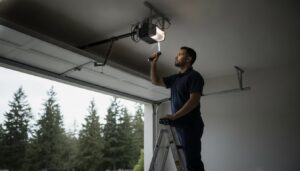
It’s 5:30 AM on a Tuesday, and the entire house jolts awake because your garage door is making a loud noise that sounds like a freight train in your driveway. You aren’t just annoyed by the disruption. You’re likely worried about the safety of your family and the potential cost of a major mechanical failure. It is a stressful experience to wonder if your door might suddenly fall or leave your vehicle trapped inside. We understand that these sounds represent more than a minor inconvenience; they are a diagnostic language for a system under tension.
This 2026 troubleshooting guide will help you identify the exact cause of those disruptive sounds. You’ll learn which noises signal a simple maintenance task and which ones indicate a dangerous hazard requiring immediate attention. We will examine common culprits like worn rollers or fatigued torsion springs, which industry data suggests account for 42% of all service calls. By the end of this article, you will know how to move from a grinding, rattling door to a quiet, smooth-operating system. We provide the technical clarity you need to ensure your home remains safe and functional for years to come.
Key Takeaways
- Map specific sounds to their mechanical sources to accurately diagnose why your garage door making loud noise and determine the urgency of the repair.
- Distinguish between safe DIY maintenance and high-risk tasks, such as adjusting high-tension springs, that require professional safety expertise.
- Learn the correct application of lithium or silicone-based lubricants to silence screeching hinges and prevent premature wear on metal rollers.
- Identify the warning signs of critical component failure to avoid the dangers of a falling door or a complete system breakdown.
- Discover how proactive safety inspections can provide peace of mind and help you avoid the high costs of emergency replacements.
Understanding Why Your Garage Door Is Making Loud Noise
A garage door is the largest moving object in most homes, relying on a delicate balance of counterweights and high-tension springs to operate. When your garage door making loud noise becomes a daily occurrence, it’s usually because this mechanical balance has shifted. A healthy system operates with a rhythmic, predictable sound. Anything that deviates from this baseline suggests that energy is being lost to friction or vibration rather than smooth movement.
Vibration occurs when garage door components aren’t securely fastened or have lost their lubrication. Friction happens when metal grinds against metal. Over time, these forces don’t just create a racket; they actively tear down the mechanical integrity of the door. Recognizing the difference between a standard motor hum and a warning sound is the first step in preventing a total system failure.
The Anatomy of a Noisy Garage Door
Every part of the assembly can contribute to the sound profile of your garage. Rollers are often the primary culprit. If they’re made of unlubricated steel, they’ll screech as they slide through the tracks. The tracks themselves act as a guide, but if they’re slightly bent or misaligned, the door will shudder and bang during travel. Hinges that have seized up will produce a sharp clicking sound as the panels pivot during the opening cycle.
The opener motor also plays a significant role in sound production. Older chain-drive models are naturally louder due to the metal-on-metal contact of the chain. Modern belt-drive systems are much quieter, so a new noise from a belt-drive unit is a major red flag. Additionally, the door material influences volume. Steel doors tend to resonate and amplify sound like a drum, while wood doors provide natural dampening but are heavier and put more strain on the hardware.
Why Noise Shouldn’t Be Ignored in 2026
Ignoring a garage door making loud noise is a gamble with your home’s safety. A slapping sound often indicates a loose cable, which could lead to the door falling off its tracks. A clicking or snapping sound might suggest a failing spring. These components are under immense tension. If they fail suddenly, they can cause significant property damage or personal injury. We recommend treating noise as an early warning system.
Beyond safety, there is a clear financial incentive to address noise early. Minor friction today puts unnecessary strain on the opener motor. If you don’t fix a small roller issue now, you might face a much larger bill for a motor replacement later. Finally, there’s the psychological benefit of a quiet home. Eliminating that jarring morning noise reduces stress for your family and your neighbors, ensuring your home remains a place of stability and peace.
The Sound-to-Source Diagnostic: Mapping Noises to Repairs
Identifying the specific sound your door creates is the most efficient way to pinpoint a failing component. A garage door making loud noise is rarely a mystery when you understand the mechanical relationship between the moving parts. By listening closely to the pitch and rhythm of the sound, you can determine whether you need a simple lubricant application or a professional safety inspection to prevent a total system breakdown.
- Grinding: This heavy metallic sound typically indicates worn-out steel rollers or stripped nylon gears within the opener unit.
- Squeaking or Screeching: High-pitched noises are often a sign of dry rollers or unlubricated hinges that are struggling to pivot during the opening cycle.
- Loud Banging or Popping: This is a classic indicator of a failing or snapped torsion spring, which releases massive amounts of energy instantly.
- Rattling or Vibrating: Loose nuts, bolts, or track hardware often cause the entire assembly to shake and rattle as the door travels.
- Scraping or Slapping: These sounds usually point to frayed cables or a door that has shifted out of balance, causing the panels to drag against the frame.
Identifying High-Risk Sounds
Some sounds demand immediate attention to prevent injury or property damage. A sudden “loud bang” often necessitates an emergency garage door repair because the door’s counterweight system has likely failed. If you hear a “straining motor” sound, your opener is likely fighting against a broken spring. This puts extreme stress on the motor and can lead to a complete burnout within just a few cycles. Clicking sounds often indicate a communication error between the safety sensors or the motor control board, which may prevent the door from closing properly for security.
Commercial Door Noise Diagnostics
Commercial doors operate under significantly higher cycles than residential models, leading to different wear patterns and acoustic profiles. Warehouse roll-up doors often exhibit a deep “slat-slap” sound when individual panels lose their alignment or the guides become dry. Adhering to professional garage door maintenance standards is essential in these high-traffic environments to prevent costly downtime. For Washington businesses, securing a commercial garage door repair is vital for maintaining security and logistics flow. If you’re unsure about a specific sound, scheduling a professional safety inspection is a dependable first step toward a quiet, reliable door.
Myth-Busting: DIY Fixes vs. Professional Safety Requirements
Many homeowners believe that a quick spray of household oil or a few turns of a wrench will solve the problem when a garage door making loud noise disrupts their peace. However, several common DIY “fixes” are actually misconceptions that can lead to further damage or serious injury. Understanding the difference between routine maintenance and high-risk mechanical adjustment is essential for any property owner.
One of the most persistent myths is that WD-40 is an appropriate lubricant for garage door hardware. In reality, WD-40 is a degreaser designed to clean metal and displace moisture. While it might provide a temporary reprieve from a squeak, it actually strips away existing grease. This leaves rollers and hinges more vulnerable to friction. For long-term durability, you should use a dedicated lithium or silicone-based spray instead.
Another dangerous myth involves the “red-headed” bolts found on the bottom brackets and spring systems. These components are painted red as a universal warning that they are under extreme tension. Attempting to loosen or tighten these yourself can cause the hardware to fail explosively. Similarly, the “tighten everything” approach can backfire. Over-tightening track bolts can warp the metal or prevent the door from shifting naturally, which actually increases operational noise rather than silencing it. When you aren’t sure which parts are safe to handle, a professional garage door safety inspection is the most responsible way to verify the integrity of your system.
The Dangers of DIY Spring Repair
Residential torsion springs store enough lethal force to cause severe injury if they snap during an amateur repair. Professional technicians use specialized winding bars and follow strict safety protocols to manage this tension safely. Attempting to adjust these without proper training is one of the leading causes of garage-related accidents. Because these parts account for a high percentage of service calls, they should always be handled by an expert who understands the physics of the counterweight system.
What You CAN Safely Do at Home
You can still contribute to the longevity of your door without taking unnecessary risks. Conduct a visual inspection of the tracks to remove grit or debris that might be causing a garage door making loud noise. You can also safely tighten non-tensioned hardware, such as the bolts on the door panels themselves, using basic hand tools. Finally, you can test the balance of the door by disconnecting the opener and lifting it manually halfway. If it stays in place, the balance is correct. If it falls or shoots up, it’s time to contact a specialist for a professional adjustment.

Actionable Guidance: Silencing Your Door and Preventing Wear
Taking proactive steps can often resolve a garage door making loud noise before it escalates into a mechanical failure. Maintenance isn’t just about reducing volume; it’s about extending the lifespan of your entire system. By following a structured approach, you can maintain the quiet, dependable operation your home requires.
- Step 1: Clean the tracks. Use a damp cloth to wipe out the internal channels of the vertical and horizontal tracks. Removing accumulated grit and grime prevents the rollers from grinding against debris.
- Step 2: Lubricate moving parts. Apply a high-quality lithium or silicone-based spray to the rollers, hinges, and springs. Avoid using grease, which can attract dirt and eventually lead to more friction.
- Step 3: Inspect weatherstripping. Check the seals around the perimeter of the door. If they become sticky or brittle, they can cause a loud popping sound as the door panels pull away from the frame during the opening cycle.
- Step 4: Conduct a balance test. Once a month, pull the emergency release cord and lift the door manually to the halfway point. If the door stays in place, the balance is correct. If it moves, the motor is overworking, which often leads to increased operational noise.
The Washington Climate Factor
Local environmental conditions play a significant role in how your door sounds and performs. In the high-humidity environments of Seattle and Tacoma, moisture quickly accelerates rust on torsion springs and lifting cables. This oxidation creates a persistent scraping sound. In contrast, the freezing winter temperatures in Spokane can cause standard lubricants to thicken, making the motor strain and groan. For residents in coastal areas, salt air exposure makes garage door cable replacement a more frequent necessity to prevent snapping. Understanding these regional impacts allows for more precise maintenance scheduling.
Upgrading for a Quieter Home
If maintenance doesn’t silence your garage door making loud noise, consider targeted upgrades. Replacing standard metal rollers with nylon versions provides near-silent operation because they absorb vibration rather than reflecting it. You might also transition from a traditional chain-drive opener to a belt-drive model, which uses a reinforced rubber belt for smoother travel. For doors that are structurally compromised or poorly insulated, a new garage door installation offers modern soundproofing and energy efficiency. If you are ready to restore peace to your home, schedule a professional tune-up with our local experts today.
Professional Solutions with Affordable Garage Door Repair & Sales LLC
When your garage door making loud noise persists despite basic maintenance, professional intervention becomes necessary to protect your home’s safety and value. Our technicians at Affordable Garage Door Repair & Sales LLC utilize a comprehensive safety checklist to isolate the root cause of mechanical sounds. We don’t just treat the symptom; we analyze the entire system of counterweights, cables, and tracks. This methodical approach ensures that we identify potential hazards, such as metal fatigue or frayed cables, before they lead to a dangerous failure.
We prioritize cost-effective repairs that restore functionality without requiring a full system replacement. Our team understands that homeowners value practical, long-term results over expensive, unnecessary upgrades. With service coverage extending across Washington from Everett to Yakima and Spokane, we serve as a dependable partner for residential homeowners and commercial property managers alike. A professionally tuned door provides the peace of mind that comes from knowing your equipment is operating at peak efficiency and your entrance is secure.
Why Choose Our Washington Technicians?
Our specialists at Affordable Garage Door Repair & Sales LLC possess deep expertise in local building codes and the unique regional weather challenges that impact mechanical durability. Whether it’s the high humidity of the Puget Sound or the sub-zero winters of the Inland Northwest, we provide solutions tailored to the environment. We offer same-day service for urgent noise and failure issues to minimize disruption to your daily schedule. Every consultation includes transparent pricing and a free on-site estimate, ensuring you have clear information before we begin any work.
Get Your Quiet Garage Door Back Today
If you’ve experienced a sudden, loud bang or a complete mechanical stall, our 24/7 emergency response team is available to handle snapped springs and broken cables immediately. These high-tension repairs require professional precision to ensure the safety of your family and property. For less urgent issues, scheduling a routine maintenance tune-up is the most effective way to prevent future garage door making loud noise and avoid the high costs of emergency repairs. Our goal is to provide a smooth, silent entrance that functions reliably for years to come.
Contact Affordable Garage Door Repair & Sales LLC for a Free Estimate and let our versatile experts restore the quiet, dependable operation your home deserves.
Restore the Peace with a Professionally Silenced Door
Identifying the root cause of your garage door making loud noise is the first step toward maintaining a safe and functional home. It’s essential to map specific sounds to their mechanical sources so you can distinguish between a simple lubrication task and a dangerous safety hazard like a failing torsion spring. Addressing these issues early prevents minor friction from becoming an expensive emergency while ensuring the long-term durability of your equipment.
As a locally owned and operated business, we prioritize providing stability and peace of mind for Washington residents. Whether you require a routine safety inspection or 24/7 emergency repair for a snapped cable, our versatile experts are ready to help. We offer free on-site estimates from Everett to Spokane to ensure your service is transparent and specialized to your needs.
Schedule Your Garage Door Silence Tune-Up Today and restore the smooth, dependable operation your home deserves. We look forward to being your proactive partner in maintaining a quiet and secure home entrance.
Frequently Asked Questions
Is a noisy garage door dangerous?
Yes, a noisy door is often a sign of underlying mechanical stress. While some sounds are minor, others indicate that a component is nearing total failure. Ignoring a garage door making loud noise can lead to dangerous situations, such as the door falling off its tracks or a spring snapping. A professional inspection identifies these hazards before they become a risk to your family or property.
What is the best lubricant to stop garage door squeaking?
Use a high-quality lithium or silicone-based spray for the best results. These lubricants are designed to penetrate tight spaces in hinges and rollers without attracting dust or debris. You should avoid using WD-40, as it acts as a degreaser rather than a lubricant, and heavy greases that can gum up the tracks over time. Proper lubrication is a dependable way to ensure quiet, smooth operation.
Why does my garage door make a loud bang when opening?
A sudden, explosive bang typically indicates that a torsion or extension spring has snapped. These components are under extreme tension and release massive amounts of energy when they fail. This is a critical safety issue that prevents the door from being lifted safely. If you hear this sound, do not attempt to operate the door and contact a professional technician for a safe spring replacement immediately.
Can I fix a grinding garage door noise myself?
You can safely clean debris from the tracks, but most grinding noises require a specialist. Grinding often points to stripped gears inside the opener or worn-out metal rollers that have lost their shape. Because these repairs involve disassembling the motor or handling parts under tension, they are best left to experts. A professional can quickly identify the failing part and provide a long-term, functional fix.
How often should I lubricate my garage door to prevent noise?
We recommend lubricating all moving parts at least every six months. However, if you live in a high-moisture area like coastal Washington, quarterly maintenance is more effective at preventing rust and corrosion. Regular applications to the hinges, rollers, and springs significantly reduce the likelihood of your garage door making loud noise by minimizing the friction that leads to premature wear on the hardware.
Why is my garage door opener making a humming sound but not moving?
A humming sound without movement usually suggests a seized motor or a broken internal drive gear. The motor is attempting to work but cannot turn the drive system. This can also happen if a spring has broken, making the door too heavy for the opener to lift. If the humming persists, you should disconnect the power to prevent the motor from burning out and schedule a professional diagnostic.
Will replacing my rollers make my garage door quieter?
Yes, replacing old metal rollers with high-quality nylon versions is one of the most effective ways to silence a door. Nylon rollers are designed to absorb vibrations rather than reflecting them like steel rollers do. They glide more quietly through the tracks and typically require less frequent lubrication. This simple upgrade provides immediate results and contributes to a more peaceful home environment.
How much does it cost to fix a noisy garage door in Washington?
The cost depends entirely on the specific component that has failed and the labor required for the repair. A simple track adjustment or lubrication service is a minor expense, whereas replacing a motor or a set of torsion springs involves more complex work. We provide free on-site estimates across Washington to give you a clear, transparent price before any work begins on your door.